
About Polocrosse
The mission of the American Polocrosse Association is to offer educational programs which promote the sport of polocrosse for youth and adult players by providing the framework for domestic and international programs that further education on horsemanship and sportsmanship; and that ensure the safety of horse and rider.
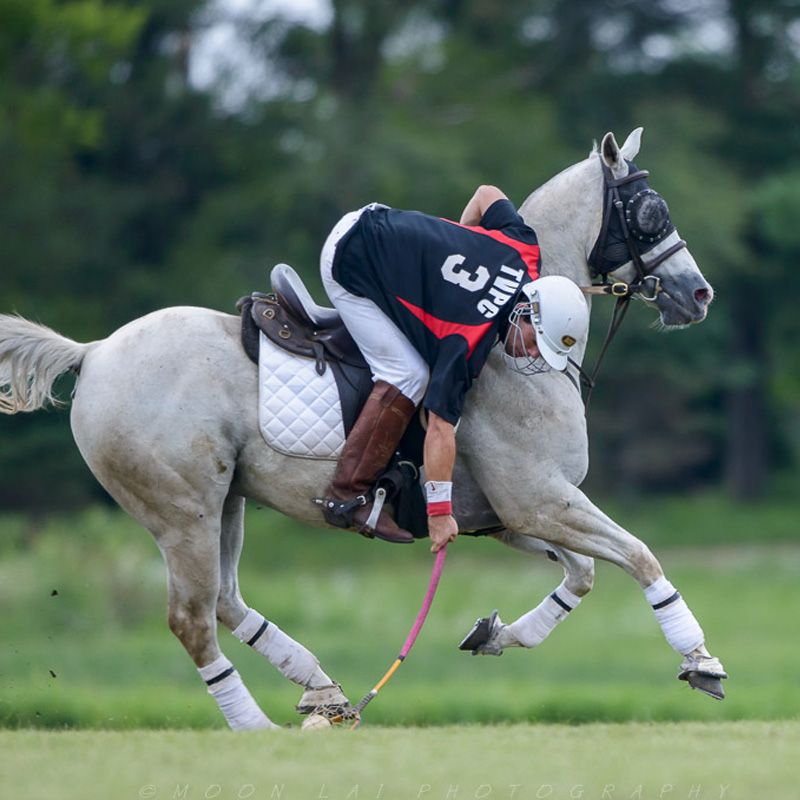
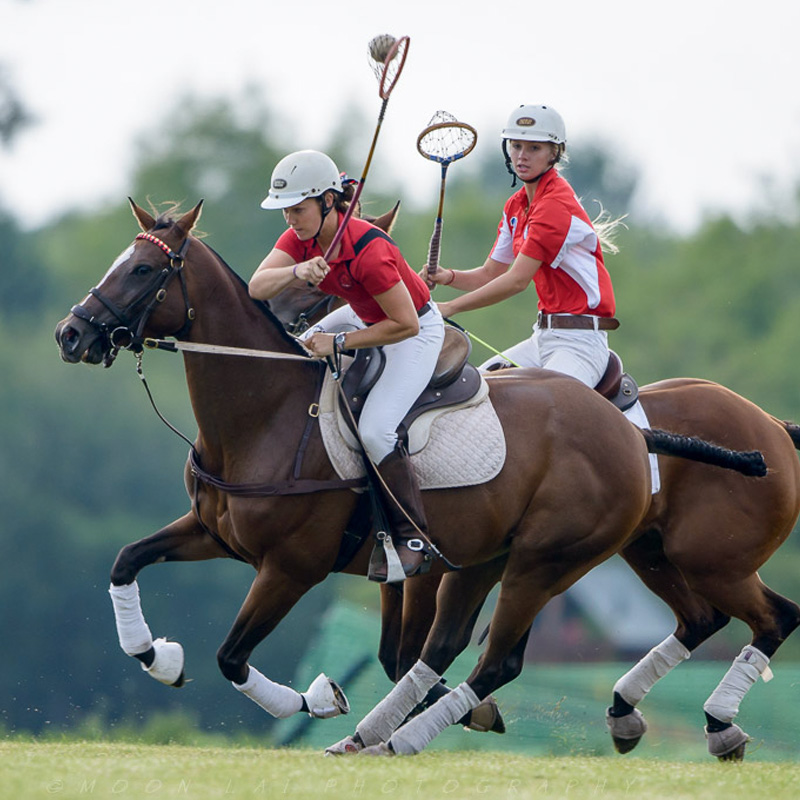
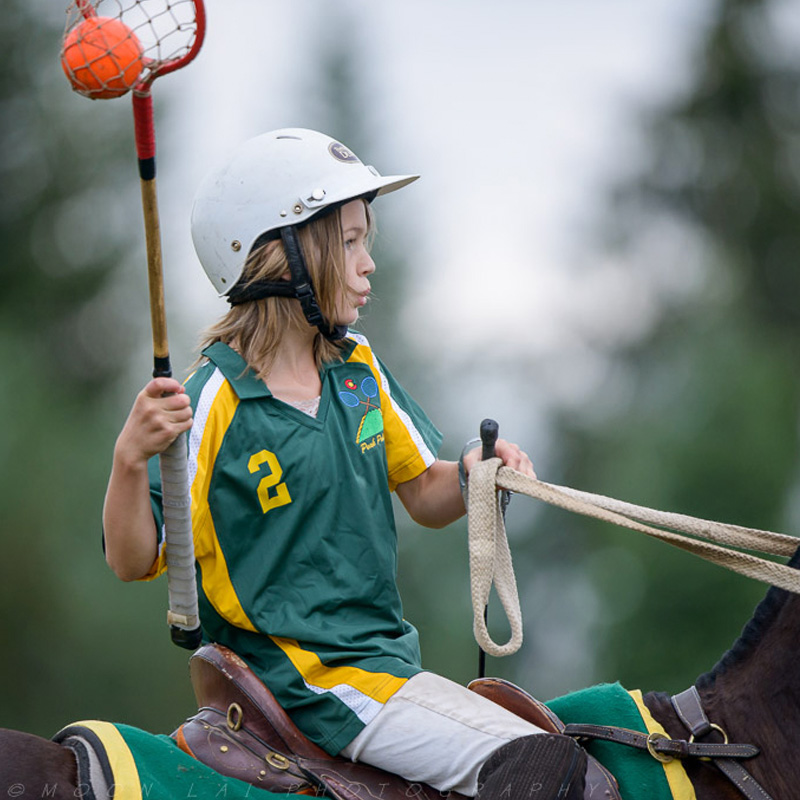
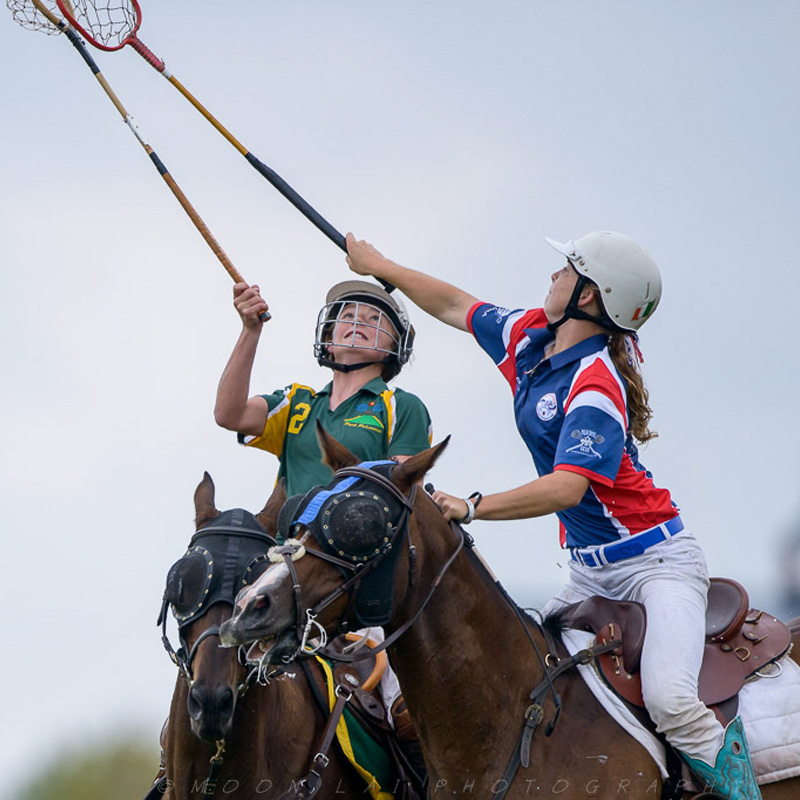
What is Polocrosse?
Although polocrosse resembles the American Indian game of lacrosse, its origins date back hundreds of years to Persia and its sister sport of polo. In England, polocrosse was an indoor exercise to teach people how to ride a horse. The modern game took shape in Australia in the 1930’s. Today, there are over 6,000 players in the world. For over 25 years, the United States has had different levels of exchange programs, beginning with Australia and now includes several other countries. Team USA participated in the very first Polocrosse World Cup in 2003 and in each one, held every four years.
The American Polocrosse Association (APA) is a non profit 501(c)(3) public charity and is the official polocrosse organization in the USA. It was originally formed in 1984 in Phoenix, Arizona and it has helped polocrosse clubs organize from coast to coast. The APA now has 44 clubs across the US and is growing continuously. The APA is a member of the International Polocrosse Council (IPC) and has written the official USA- APA rule book.
The Association provides:
Umpire training and certification
Coaching accreditation
Instructional clinics
Sanctioning of tournaments
Tournament liability insurance
Selection of teams for international competition
Official APA rack cards and brochures on polocrosse are available, contact us for printed samples.
Articles of Incorporation
“Articles of Incorporation” is a legal document that is filed with the state to create a corporation, and are the primary rules governing the management of a corporation in the United States. Non-profit articles contain the organization’s basic information and tax exemption information. The APA has filed with the state of Texas for the purpose of legally documenting the creation of the organization, and became a wholly functioning 501C3 non-profit organization in 2008.
Virginia Carpenter Covert
President
Japan
+49 152 277 40667
Email
Katelyn Pierce
Vice President
Vancleave, MS
(301) 481-1795
Email

Kristy Gusick
Board Secretary
Stillwater, MN
(651) 592-4662
Email
Sarah Broadhurst
Treasurer
Frederick, MD
240-372-0861
Email

Player Development Program Chair
Lisa Poe
Princess Anne, Maryland
443-975-8510
Email
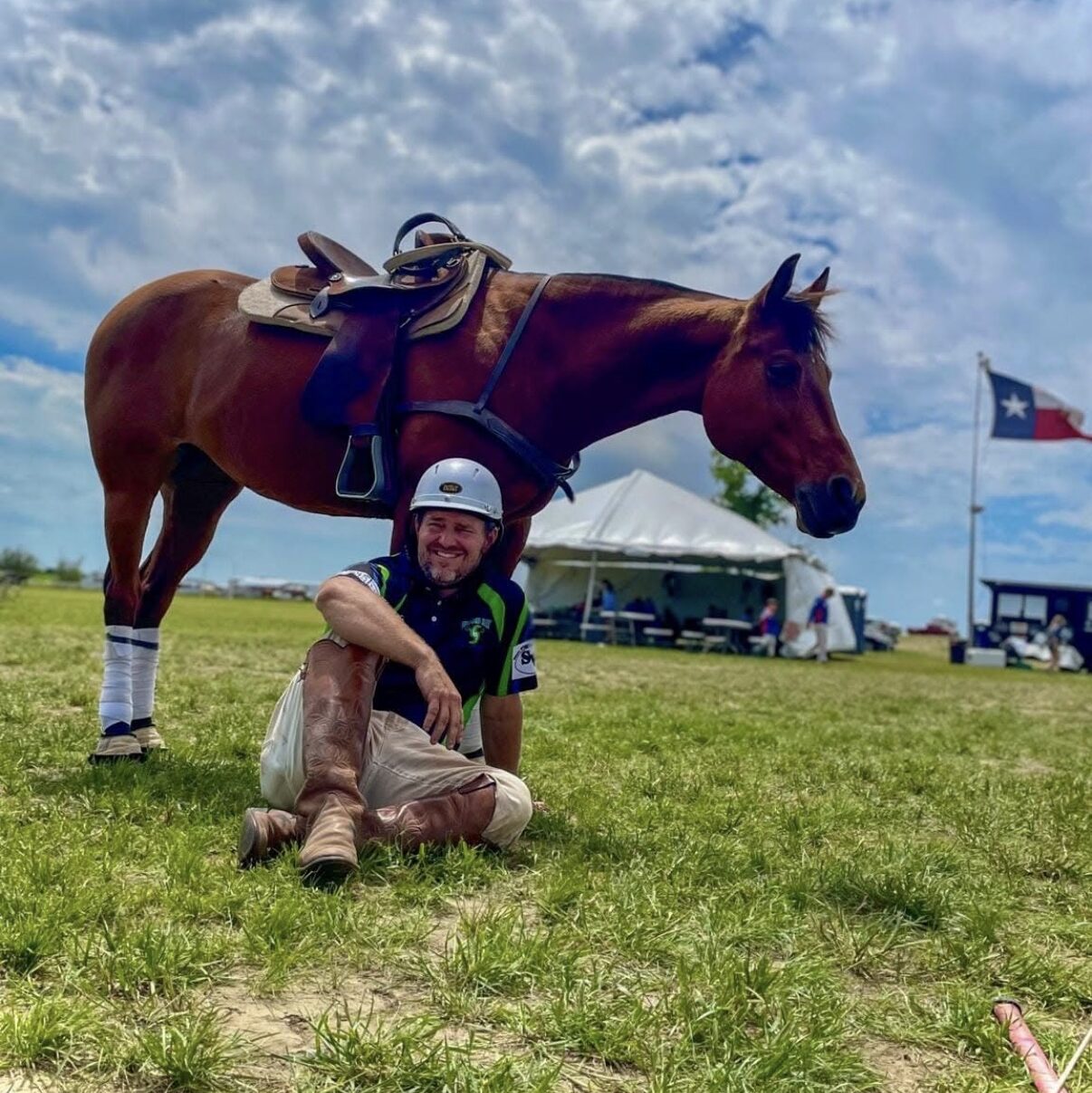
Chief Umpire
Daniel Johnson
McDade, Texas
(512)-289-4358
Email
Membership Development Committee
Jennifer Carpenter
Round Hill, VA
(703)-475-7832
Email
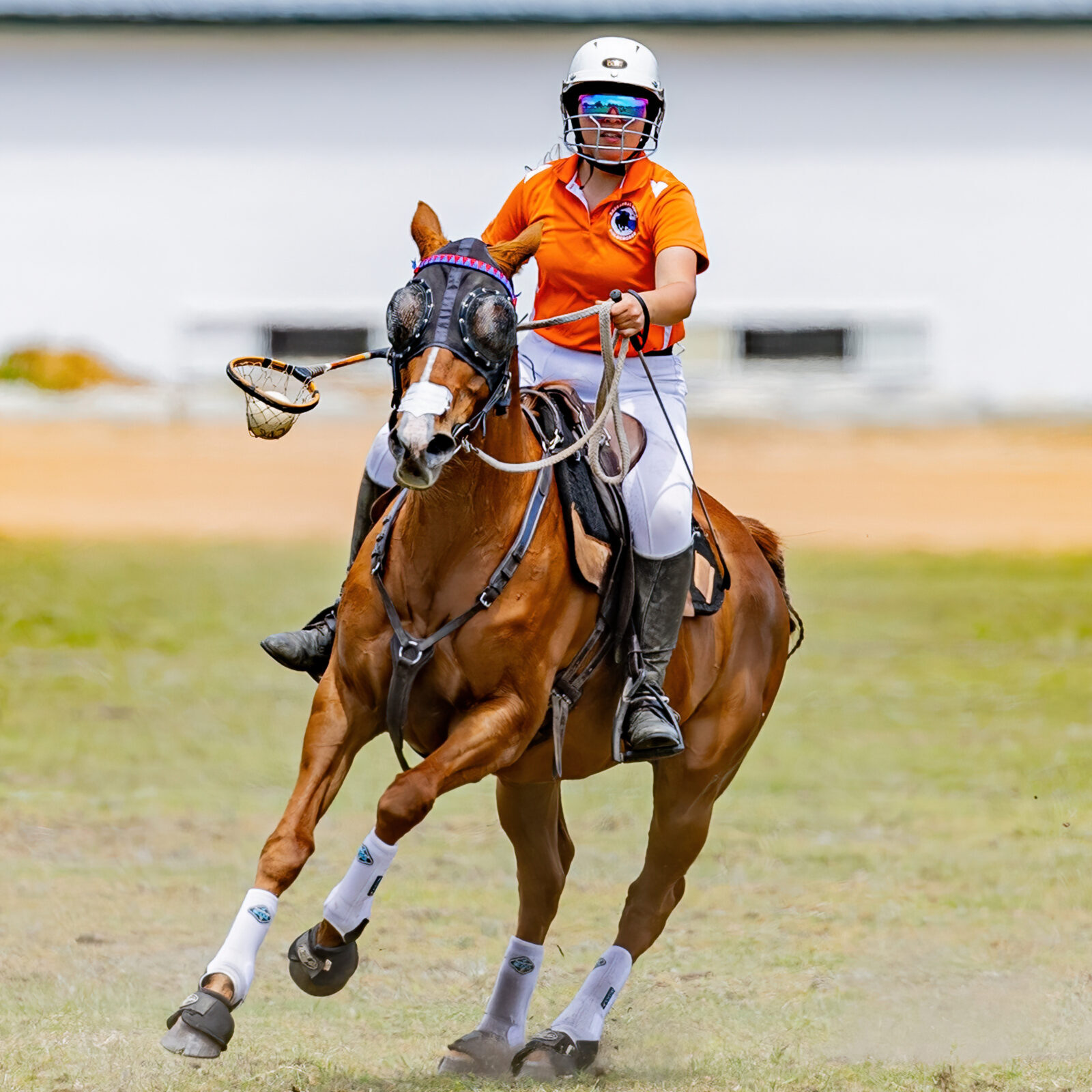
Communication Committee
Kylie Ferrentino
Millburn, NJ
(973) 738-0876
Email
Horse Welfare Committee
Jenna Goveronski
Hammond, WI
(715) 495-2905
Email
Business Development Committee
Katelyn Pierce
Vancleave, MS
(301) 481-1795
Email
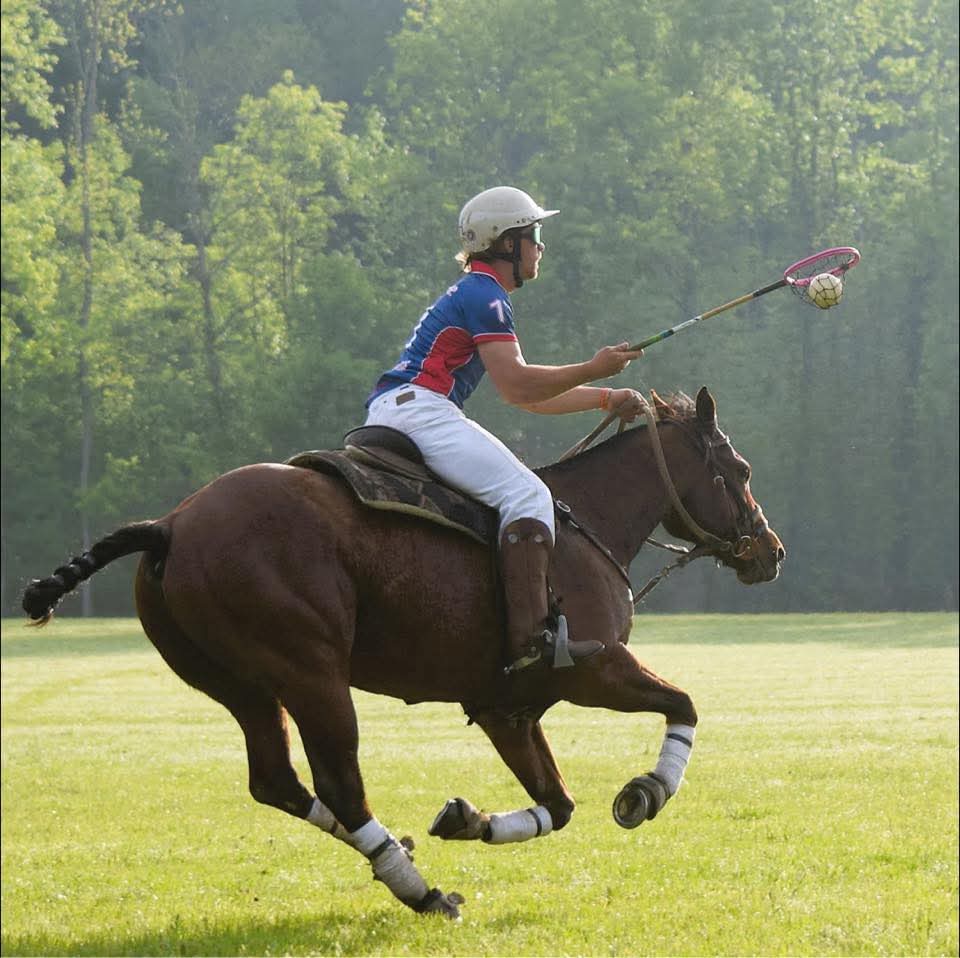
Ratings Committee Chair
Karen Wiggins
Vancleave, MS
(228) 806-5129
Email

Grievance Committee Chair
Ashley Barbour
Lucedale, MS
(601) 508-7082
Email
Nationals Chair
Amy Turner
Toney, AL
(256) 520-2631
Email
International Liasion
Rahul Desai
Greensboro, North Carolina
(864) 421-3020
Email
Technology Chair
Lisa Poe
Princess Anne, Maryland
443-975-8510
Email
Frequently Asked Questions
It doesn’t hurt, but it’s not at all necessary. There are many people in most clubs who learned to ride and play polocrosse at the same time. The game is played at all levels, called grades. At any event there are multiple grades – A being the top level, moving down through B, C and D. Often there is an E grade for people who have never before participated in a tournament. Larger tournaments usually have the numbers to handle having a Junior Division.
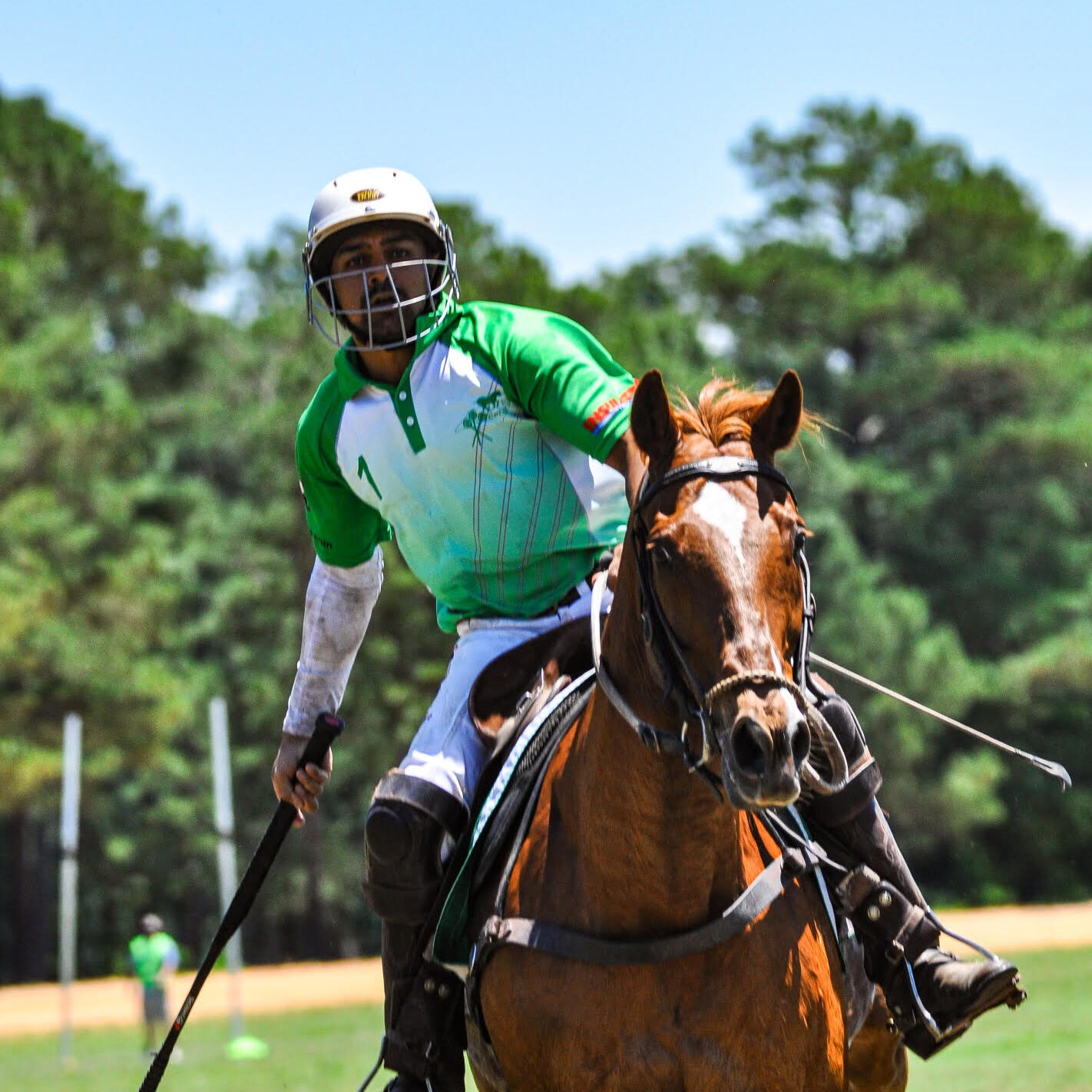
Certainly not. Unfortunately, all of the pictures and video that anyone ever gets to see show park-like expanses of grassy fields, riders all in white pants and matching polo shirts, the horses immaculately groomed with matching saddle pads, wraps, and bell boots, leather glistening, etc. At tournaments this is pretty much the case but there’s a whole lot more polocrosse being played in jeans and T-Shirts by people with bizarre assortments of mix and match tack on dirt fields and arenas than idyllic scenes that always seem to be in those pictures. No one seems to want to take a picture or shoot video of a bunch of people that look like a squad of ragpickers riding horses that appear to have been used by the legions of Attila the Hun. While the standard field is supposed to be 60 yards by 160 yards with grass as the surface of choice, there are in fact a lot more dirt fields than grass and there are variations of the game that can be played in any reasonably sized area, indoors or out. Polocrosse is much more of an activity than just a game played at tournaments. From just messing around by yourself with a stick and ball, playing a little impromptu one on one, or perhaps two on two with some friends to full scale tournament play. It’s all polocrosse, and it’s all fun.
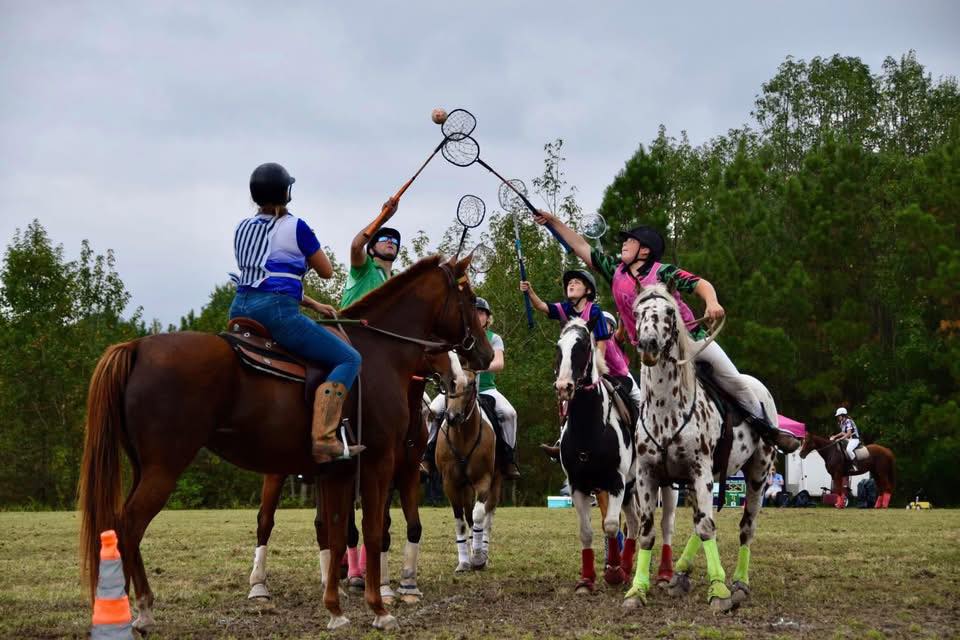
Absolutely not. Any horse will do. Horses pick up the game quickly and seem to enjoy it as much, if not more, than their riders. Any size, age, or breed. There is usually a melting pot of Quarter Horses, Thoroughbreds, Paints, Paso’s, Walkers, Heinz 57, and even an occasional mule.
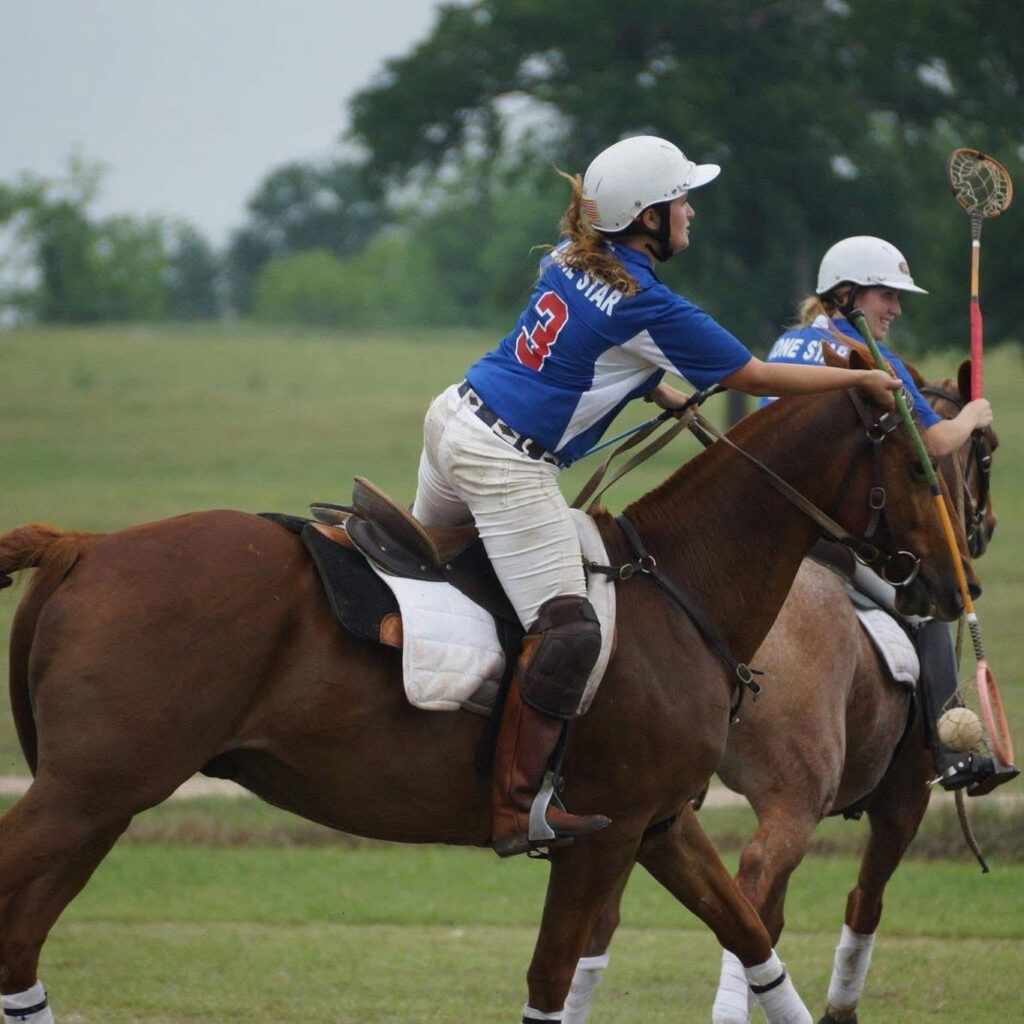
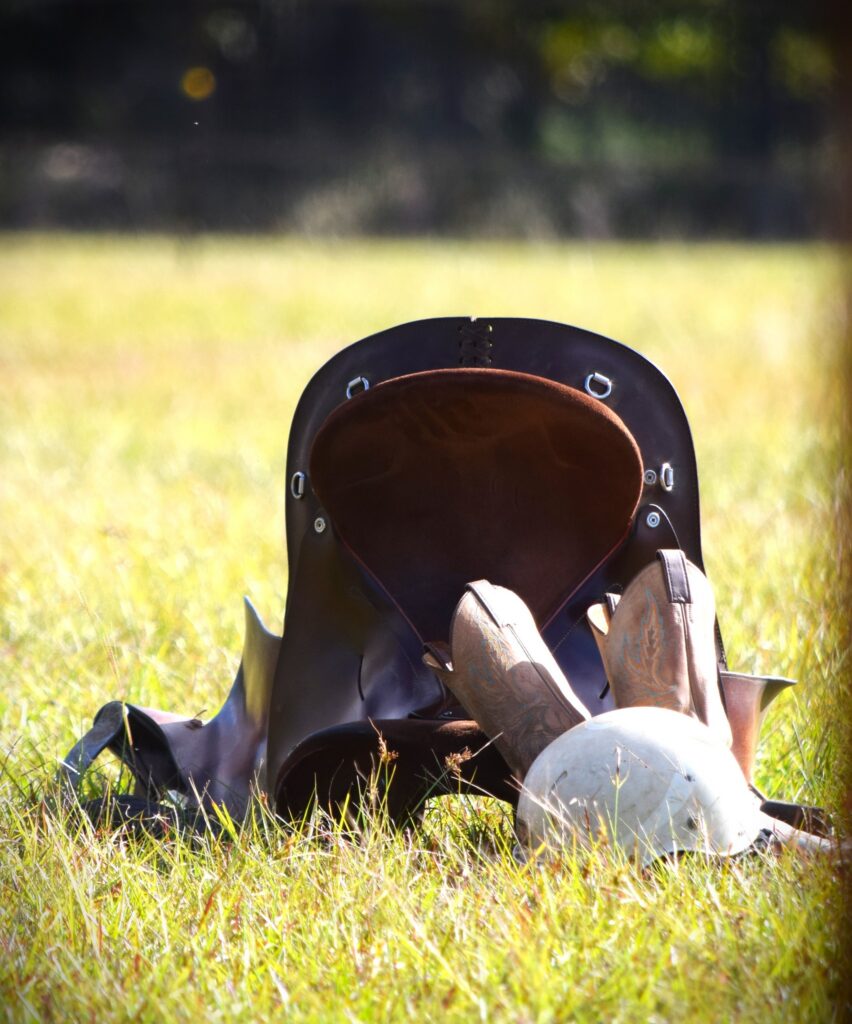
While the American Polocrosse Association has a few rules about tack and equipment, it is best to check with your local club for their requirements. Just bring whatever saddle and head gear you have. All clubs require that helmets be worn when playing. It is also strongly recommend that you use polo wraps or sports medicine boots or some kind of leg protection and bell boots as well as a breast collar. The American Polocrosse Association is much more concerned about equipment. They specify leg protection and bell boots, breast collars, bits with no shanks – like snaffles and Kimberwickes – and saddles without horns, as well as some other stuff, must be used at sanctioned events. Most club members ride in Australian stock saddles and a few English saddles, but no one expects you to saw the horn off your favorite Western saddle. Whatever you have will do nicely.
Not particularly. There is an interesting phenomenon in polocrosse. Many of the better players were those people who always got picked last whenever sides were being chosen for some school sport. Lots of us spent our formative years condemned to play right field in any baseball game. Polocrosse seems to have particular appeal for late bloomers and those of us who can’t dance.
No harder than any other activity, other than hanging around the barn. Of course the higher the level in which you participate, the more fit your horse has to be. By the rules, no horse is permitted to play more than 54 minutes on any day and in most competitions, the horses only play 32 minutes a day.
When you get lots of horses and people together, there are all sorts of interesting things that can happen. It is better to be safe than sorry. All the rules of the game are about safety. Since polocrosse is an umpired game, there is always at least one, or more often two, umpires on the field, and are in complete control of the game play. The primary reason that they are on the field is to ensure the safety of both horse and rider. The umpires’ word is the law in these matters.
Just the opposite. Horses that play polocrosse rapidly develop a great deal of poise. Not only do they become absolutely bullet proof in short order, they also develop some moves you never knew they had. When you’re playing polocrosse you forget all about riding your horse, and you and your horse start moving as one. That’s why polocrosse is such a great way to learn how to ride. You are so focused on playing the game, horsemanship just naturally follows.
The APA has a current contact list of Certified Coaches/Clinicians/Instructors who are available to travel to your location for clinics and instruction to safely help your polocrosse experience. APA Certified Coaches have been approved and held to a high standard by the Coaching Accreditation Program (CAP). The CAP was created to standardize the process of certifying qualified polocrosse instructors. These individuals have committed their time and energy towards the growth of polocrosse in the United States, ensuring a core competency in play and in teaching. They’ve also demonstrated their commitment to safety and horsemanship, having undergone the necessary course requirements to validate their certification. We strongly encourage new players to utilize an APA Certified Coach of this caliber. Click here for a list of Certified Coach/Clinician/Instructors.
USA Team 2026 Mixed Barbarians Tour
Team USA is preparing to host a team of Barbarians for a mixed test match series April 10-12, 2026 in Whitesburg, GA. The tour will take place during the Sandie Creek Polocrosse Club’s annual tournament. The Barbarian team will be coached by current Irish Team World Cup Player, and former UK WC Player, Debbie Harris. …
February Board Meeting Memo
🏇 APA Board Update – February Momentum is Strong! Hi Polocrosse Family, Your APA Board met this month and there is a LOT of good work happening behind the scenes. We wanted to give you a quick and energizing snapshot of what’s moving forward for 2026! 🔒 Safety First – Field Safety Lines Approved We …
February Newsletter
Dedicated Club Pages Launched! Club-specific pages are live and accessible through the club list. The possibilities to showcase your club are endless through custom descriptions, an album of photos, direct contact information, and links. View Clubs Is your club missing from this list, is the page relatively blank, or are you starting a new club? …